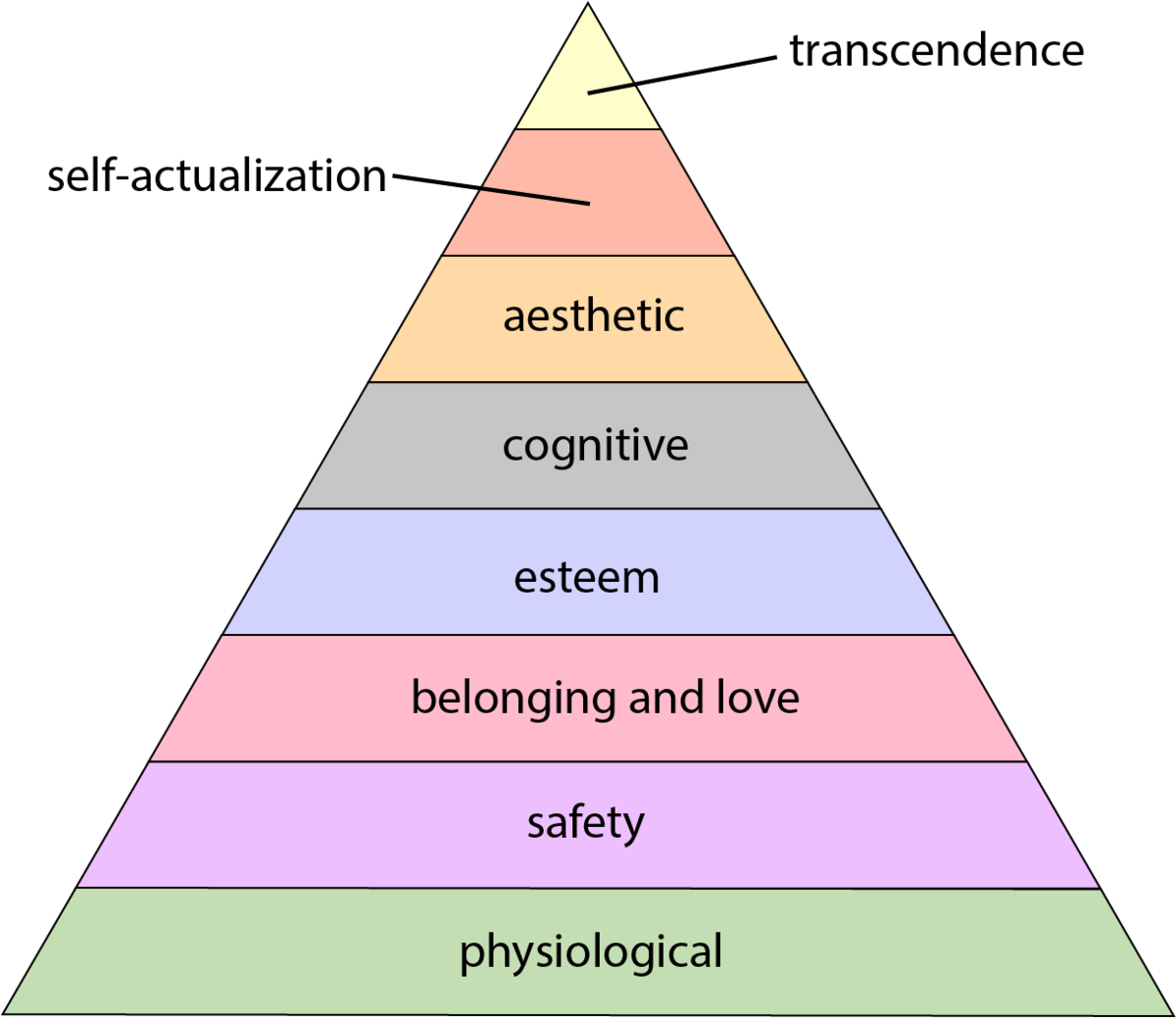
## What is Maslow's Pyramid of Motivation?
Maslow's Pyramid of Motivation, also known as Maslow's Hierarchy of Needs, is a psychological theory proposed by Abraham Maslow in his 1943 paper "A Theory of Human Motivation" in Psychological Review.
The pyramid illustrates the levels of human needs, from the basic physiological needs to self-actualization. The levels are:
1. **Physiological Needs**: These are the most basic human survival needs, including food, water, warmth and rest.
2. **Safety Needs**: Once physiological needs are met, individuals seek safety and security in their health, employment, property and social stability.
3. **Love/Belonging**: After safety is achieved, people look for affectionate relationships with others and a sense of belonging.
4. **Esteem**: This level includes the need for respect from others and self-respect. It involves feelings of prestige and accomplishment.
5. **Self-Actualization**: This is the highest level in Maslow's hierarchy and refers to realizing personal potential, self-fulfillment and seeking personal growth and peak experiences.
Maslow believed that these needs are similar to instincts and play a major role in motivating behavior.